

What are the dangers of Skiing?
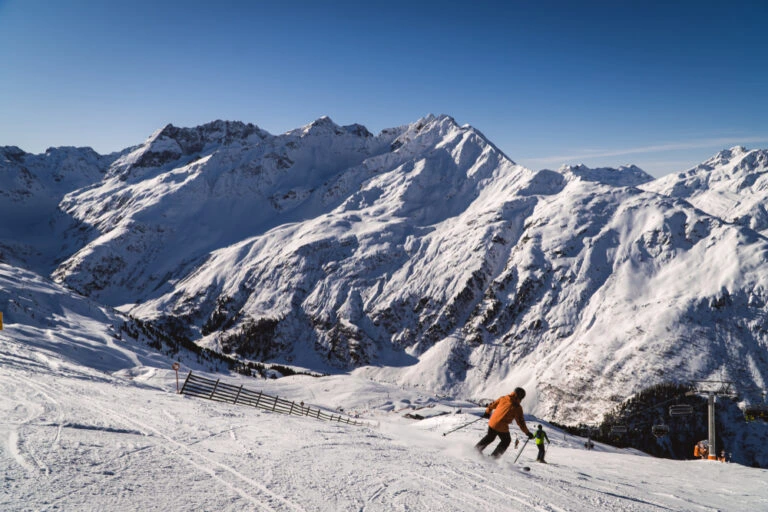
Skiing is not statistically more dangerous than other sports such as football. But many other factors come into play. Skiing involves hazards that few other hobbies do. Risks include hitting rocks and trees, as well as other skiers. Snow can often soften a fall, but it can also hide hazards such as rocks. This uncertainty often makes things worse and can cause someone to hit their head or break bones. All of these safety concerns are made worse by how hard it is to communicate in mountainous areas. Skiing alone is more dangerous, as injured skiers may not manage to call for help on their own. The size and nature of ski trails make signalling hard. It is also hard to communicate when tools such as phones are easily damaged by snow and impacts. Want to know more? Contact our team today.
Awareness remains key in these situations, and it can be hard to achieve when multitasking. This matters at ski resorts across Australia.
How to take appropriate precautions?
There are many ways to take precautions to avoid as many risks as possible. Skiers should make sure they know the route they are taking. This includes knowing the weather and how it may change. When possible, instructors and resorts should remind everyone of safety measures. This should include both everyday precautions and issues specific to poor weather or harder slopes. Doing this can avoid unnecessary risks and keep everyone as aware as possible of themselves and others around them. Proper communication channels to alert people accurately are necessary too. It is essential that they reach a wide audience, and that they can withstand poor weather conditions.
Although ski patrols are present as much as possible to rescue those at risk, they are human and cannot be aware of everyone at all times. Risk prevention solutions such as resistant wireless emergency alert systems are an efficient way to help keep as many people safe as possible. Storm warning systems can also warn skiers when the weather turns.
Why Hazavoid?
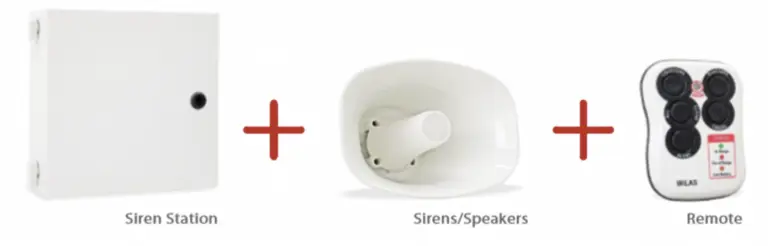
Hazavoid offers fully wireless solutions. The Hazavoid Wireless Alarm System (pictured above) and the Hazavoid Wireless Alert Beacon System come with a backup battery and solar panels. Both can send mass emergency alerts. This makes the systems flexible and cost-effective for various indoor and outdoor needs. The WiLAS System comes in two versions: a wall-mounted one and a portable one. The latter is especially helpful for those who need an immediate safety solution for periodic or temporary concerns. This can include outdoor sports as well as construction sites that may need monitoring. The customisable tones allow a wider range of uses. Users can choose existing alerts such as ‘Evacuate’, or create new tones and music to suit their needs.
Moreover, the WiLERT beacons can be activated manually or automatically to give enough reaction time and awareness no matter what. This makes it easy to use the system in various locations. For instance, users can place sensors to activate the beacons whenever they detect someone crossing a zone of danger. This could help stop skiers entering avalanche-prone areas or other hazardous zones.
Explore more Hazavoid applications or browse our product range. For more news, visit the Hazavoid blog.
Ready to Protect Your Resort?
Talk to our team about the right emergency alert systems for your resort.
Contact Us Today to learn more.